The color, broken down
Four ways to describe one color. Each slider in the game maps to one of these dimensions.
- HEX
#91FF16
- RGB
- 145, 255, 22
- HSB
- 88°, 91%, 100%
- HSL
- 88°, 100%, 54%
Nearby tones that look right and are wrong
#74FF17#B2FF17#A1FF36#88FF00#7EDB14How this color came to be
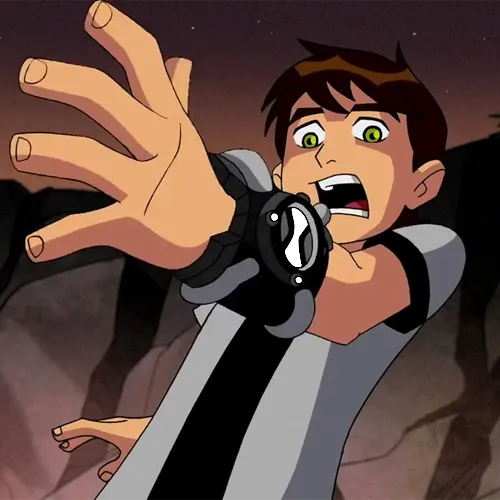
Ben 10 premiered on Cartoon Network in 2005, the first installment of what became a major franchise spanning Alien Force, Ultimate Alien, Omniverse, and a 2016 reboot. Ben Tennyson, the ten-year-old protagonist, finds an alien device that fuses to his wrist on a camping trip — the Omnitrix. Its glowing green core is the show's most-replicated visual asset, appearing in every transformation sequence and on every piece of licensed merchandise from watches to backpacks.
The hex breaks down to HSB(88°, 91%, 100%). The hue sits between pure yellow (60°) and pure green (120°), and at 88° it's firmly on the yellow-green side — chartreuse, technically. Saturation is at 91%, brightness is maxed at 100%. The color was engineered to look like a sci-fi indicator light: nuclear, electric, almost radioactive. It is not the green of grass, of Spotify, or of WhatsApp — those colors sit closer to 140° and at lower brightness.
Players consistently miss this color on the hue slider. The instinct on "green" is to reach for somewhere around 120° — pure green. The Omnitrix lives 30° warmer than that, and the perceptual gap is large: 120° is botanical, 88° is electronic. The fix: pull the hue down toward yellow until the color feels almost "lime," push saturation past 90%, and max the brightness. If the green feels chemical or radioactive rather than natural, you're on target.
How to match it from memory
Calibrated to this character's specific hex, not generic color advice.
- Hue: ~85–90° — yellow-green, warmer than pure green.
- Saturation: ~91% — push it past where it feels right.
- Brightness: 100% — max it.
- Common mistake: drifting to 120° (pure green); the answer is 30° warmer.